
Commodities have quietly outperformed expectations for traders who took the time to understand them. While most beginners start with forex, the ones who stick around long enough eventually discover that gold, oil, and silver carry their own rhythm, their own logic, and their own opportunities. The question of how does commodity trading work is one that comes up constantly among South African traders, and the honest answer is that it is far more accessible than most people assume, provided you are working with the right platform behind you.
JP Markets has made that access straightforward, regulated, and built around what South African traders actually need.
What Is Commodity Trading and How the Market Actually Functions
When you look past the finance jargon, commodity trading at its simplest is betting on the price increase or decrease of actual raw materials (hard commodities such as gold/silver/crude oil and soft commodities such as wheat and other agri-products). With commodity trading via CFDs, you don’t own a barrel of oil or a bar of gold; you just have a position indicating where you think the price direction is headed, so you will profit or lose based on how much the price of that commodity moves in the desired direction you are betting on.
In the live trading market for commodities, there are four steps you take: choosing instruments, determining position size, determining risk via a stop loss, and letting the market work from there. Commodities have existed for ages; however, due to the numerous factors that affect the price of commodities, they are distinct. A few of these factors include supply chain interruptions, demand being affected by seasons, the value of the dollar, and any recent political changes in countries producing these commodities. As a result of this complex pricing structure, there are many trading opportunities available for traders who remain up-to-date with information and who know how to use it to their advantage.
If you want to start trading commodities in South Africa, the best place to start is to find a broker that can provide you with tight spreads, good execution of trades, and a regulated trading environment that has passed audits.
Why JP Markets Stands Out Among South Africa Brokers
There are plenty of south africa brokers with a commodity offering listed somewhere on their website. What separates JP Markets is not just the listing but the infrastructure around it. That means client funds, platform conduct, and dispute resolution are all subject to FSCA oversight rather than a remote offshore authority with no local accountability.
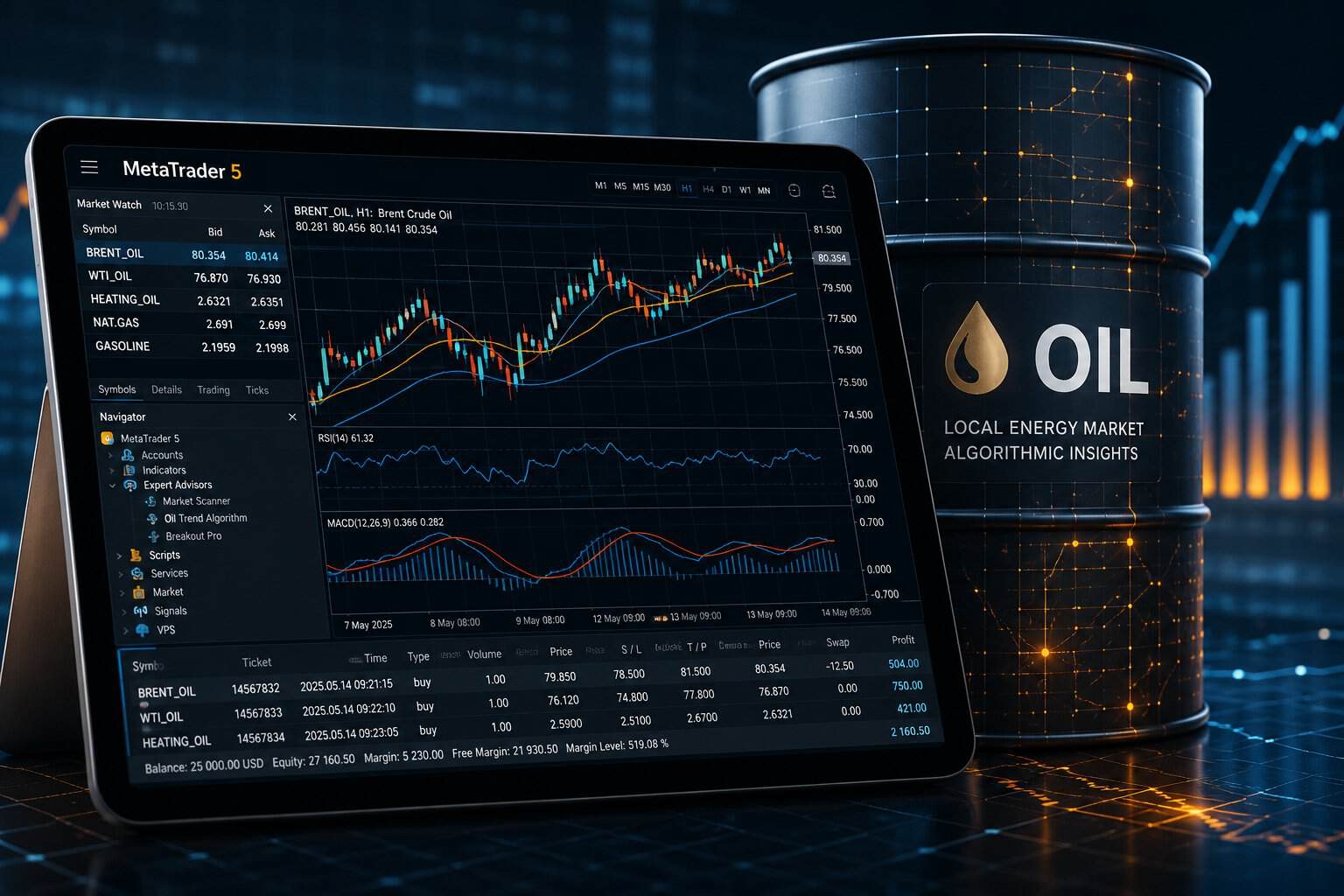
Commodity trading through JP Markets runs on the full MetaTrader 5 platform. That is not a browser-based version or a simplified app. It is the complete professional environment with 21 timeframes, 38 built-in indicators, Expert Advisor support, and the ability to run multiple commodity and forex positions from the same account simultaneously. Instruments including gold, silver, and crude oil are available with competitive spreads and consistent liquidity across the major trading sessions.
Funding is handled through Capitec Pay, Ozow, Payfast, and standard EFT, which removes the friction and hidden costs that come with platforms forcing South African traders through overseas payment processors.
JP Markets vs Other Commodity Trading Platforms
| Feature | JP Markets | Typical Competitor |
| Commodity Instruments | Gold, silver, oil via full MT5 | Limited range or third-party feed |
| Local Deposit Options | Capitec, Ozow, Payfast, EFT | Card or crypto only |
| Platform Quality | Full MT5 with automation support | Web platform or MT4 only |
| Verified Client Base | 400,000+ across southern Africa | Not publicly disclosed |
| Learning Support | Structured centre with e-books and quizzes | Basic help pages |
| Trader Rewards | JPBucks loyalty programme | Not available |
Key Benefits of Choosing JP Markets for Commodity Trading South Africa
The practical benefits start with regulation and run through every layer of the experience. Because JP Markets operates under South African law, the protections available to clients are enforceable locally, which is not something most offshore commodity trading platforms can offer.
Beyond that, the MT5 environment gives traders genuine flexibility. You can trade gold during the London session, shift focus to oil when New York opens, and run an automated strategy overnight without manually monitoring your screen. The learning centre is there for traders who want to build their understanding of commodity markets before committing capital, and the JPBucks loyalty programme rewards those who trade consistently over time.
Real-World Use Cases
A trader in Pretoria watching dollar index movements can take a position on gold knowing the two tend to move inversely, using MT5 indicators to time the entry. A trader in Port Elizabeth focused on energy can follow crude oil through OPEC announcement cycles, entering short-term positions based on supply data. Someone in Bloemfontein running a mixed portfolio can hold commodity positions alongside forex trades from a single JP Markets account, managing risk across different market conditions from one dashboard.
These are not theoretical examples. They reflect how traders doing commodity trading in South Africa are already using the platform week to week.
Conclusion
Once you understand how does commodity trading work, the next decision is who you trust to execute it. That choice affects your spreads, your withdrawal speed, your legal protection, and the quality of the tools you have access to every single day. JP Markets brings together South African regulation, a professional MT5 environment, and local payment infrastructure that makes the entire process cleaner and more reliable than what most south africa brokers currently offer. For traders ready to take commodity markets seriously, the platform is already there waiting.
Frequently Asked Questions
1. New to trading commodities, how do they work?
You create a position in CFDs on a commodity by selecting a long or short position. Profits and losses are calculated based on how much the commodities move relative to your position size.
2. Are there risks involved with commodity trading in South Africa?
Yes. Due to the effect of leverage, your profits and losses are affected on an increasing basis, making it impossible to effectively manage potential risks without using stop losses and sizing the right position for each trader’s risk profile.
3. What advantages do I gain by using JP Markets vs. other commodity trading platforms?
JP Markets has higher credibility than any overseas commodity platform because it is locally regulated, allows for full use of MT5 software, and has an extensive network of payment options available in South Africa. The firm has over 400,000 clients globally.